Showing posts with label health benefits. Show all posts

Thursday, June 16, 2011

▲❍Just in Case You Needed to Know Why You Love Them So.....

Mangoes are abundant during the summer season. Mango is widely known as the "king of fruit", and that is not without a purpose. It is regarded as a valuable item of diet and a household remedy. It is rich in amino acids, vitamin C and E, flavonoids, beta carotene, niacin, calcium, iron, magnesium and potassium.

About 4000 BC ago, the wild mango originated in the foothills of the Himalayas of India and Burma, and about 40 to 60% of these trees still grow in India and Southeast Asia. Also known as Mangifera Indica, this exotic fruit belongs to the family of Anacardiaceae. Though native to Southern and Southeast Asia, the fruit is now also grown in Central and South America, Africa and the Arabian Peninsula also. Today there are over 1,000 different varieties of mangos throughout the world.

Below are the numerous health and nutrition benefits of eating mangoes:

  1. Anti cancer: The phenols in mangoes, such as quercetin, isoquercitrin, astragalin, fisetin, gallic acid and methylgallat, as well as the abundant enzymes, have cancer-preventing capacities. Mango is also high in a soluble dietary fiber known as pectin. Scientist have identified a strong link between eating lots of fiber and a lower risk of cancers of the gastrointestinal tract. A cup of sliced mangoes (around 165 gram) contain 76 percent of the needed daily value of vitamin C, a potent antioxidant which helps protect cells from free radical damage and reduces risk of cancer.

  2. Eye health: One cup of sliced mangoes supplies 25 percent of the needed daily value of vitamin A, which promotes good eyesight. Eating mangoes regularly prevents night blindness, refractive errors, dryness of the eyes, softening of the cornea, itching and burning in the eyes.

  3. Helps in digestion: Mangoes contain digestive enzymes that help break down proteins and aid digestion. It is also valuable to combat acidity and poor digestion because of an enzyme found in the fruit which soothes the stomach. Due to the high amounts of fiber found in mango, it can be a helpful in keeping you regular, thereby helping or preventing constipation.

    In India, a decoction of the mango peel is given to people with inflammation of the stomach mucus membranes. Eating one or two small tender mangoes in which the seed is not fully formed with salt and honey is found to be very effective medicine for summer diarrhoea, dysentery, piles, morning sickness, chronic dyspepsia, indigestion and constipation.

  4. Benefits to skin: Mango is effective in relieving clogged pores of the skin. What this means is that people who suffer from acne, which is caused by clogged pores, will benefit from mango. Just remove the mango pulp and apply it on your skin for about 10 minutes before washing it. Eating mango regularly makes the complexion fair and the skin soft and shining.

  5. Helps in diabetes: Mango leaves help normalize insulin levels in the blood. Boil a few mango leaves in water and allow it to saturate through the night. Consume the filtered decoction in the morning for diabetic home remedy. The glycemic index of mango is low, ranging between 41-60. So, mango does not have any significant effect in increasing blood sugar levels.

  6. For better sex: The Vitamin E that is abundantly present in mangoes helps to regulate sex hormones and boosts sex drive.

  7. Beneficial for anemia: Mangoes are beneficial for pregnant women and individuals suffering from anemia because of their iron content. Also, vitamin C in the mango enhances the absorption of iron from vegetable food like rice. Generally women after menopause become weak and they should take mangoes and other fruits rich in iron.

  8. Boost memory: Mangoes are useful to children who lack concentration in studies as it contains Glutamine acid which is good to boost memory and keep cells active.

  9. Avoid heat stroke: Unripe mangoes, a rich source of pectin, when steamed and juiced with cumin (jeera), rock salt and sugar, provide an excellent remedy for heat stroke and heat exhaustion in summer.

  10. Weight gain: Mangoes can be beneficial for people wanting to gain weight. A 100 gram of mango contains about 75 calories. Also, raw mangoes contain starch which get converted into sugar as the fruit ripens. So ripe and sweet mangoes when consumed with milk (rich in protein) can be very helpful in weight gain.

Mangoes can be eaten both raw and ripe. Mangoes are a good source of vitamins and minerals essential for the human body. Always have mangoes in your daily diet as this can benefit your health more than you usual non fiber diet.


Sunday, May 22, 2011

Osha Root is ? ◤◤◤◤◤◤

Applications:
Antibacterial, antiviral, carminative, diaphoretic, diuretic, decongestant, immunostimulant, antirheumatic, antispasmodic, digestive, febrifuge, emmenagogue, and stomachic.

It is a specific in the treatment of viral infections, colds, flu, sore throat, and upper respiratory congestion, even in tuberculosis. Should be taken at the first observation of symptom for cold, flu, or sinus congestion. Excellent for sore throat and bronchial inflammation, flu with coughing and difficulty breathing (dyspnea), and acute bronchial pneumonia with dyspnea. It is also quite an effective herbal ally for relief from allergies, asthma, and indigestion. Fresh or dried root brings a tingling sensation to tongue and gums.

This warming herb beneficially affects upper gastrointestinal, cardiovascular, and central nervous systems. Improving to lymphatic, reproductive, integumentary, and parasympathetic and sympathetic nervous systems. Stimulates circulation, kidneys and the uterus. Promotes eliminative sweats, helping to remove toxins.

An infusion is used topically for its antibacterial properties. It is effective in preventing infection in wounds.

Used in the treatment of acute and subacute pharyngitis Acute pharyngitis is an inflammatory process of the oropharynx, primarily caused by infections. Symptoms related to upper respiratory tract infections are noted as a most common reason people seek medical care. In the United States each year, more than 10 million patients are diagnosed with acute pharyngitis.

Description: Ligusticum porteri has a long, thin, hollow stalk with large divided leaves similar to the related parsley and carrot. Stem, leaf can reach to 2 ft in height. Seeds and flowers top the plant spreading outward in an arrangement resembling an umbrella. Flowers are white. Plant and seeds have a celery-like fragrance. Root is haired, brown outside, yellow inside. This native American perennial herb thrives in dry, upland meadows and ravines. Its fern shape leaves are spotted in various shades of green, turning golden yellow. For medicinal uses the tap root is harvested at maturity.

Dosage:

Internal: 30-60 drops of strong decoction in water or juice, 2-3 times daily or as needed.

Tuesday, April 5, 2011

The Suns::::Effortless Health Benefits☼☼☼☼☼☼☼☼


T­he sun warms our planet every day, provides the light by which we see and is absolutely necessary for life on Earth. But if you know like I or many know, it's much deeper than that. Most people do whatever they can to shield themselves from the powerful sun rays and heat from the sun. When there is no sun people are unhappy and when there is too much sun people are unhappy. Some scientists believe that increased exposure to sunlight (and the vitamin d related to such exposure) may in fact decrease your chances of developing cancer .

Vitamin E is an essential nutrient the human body needs to function normally. The term vitamin E actually represents a group of substances, the most important (to the human body) being alpha-tocopherol. Alpha-tocopherol compounds are chemical compounds of which many have vitamin E activity and describes a series of organic compounds consisting of various methylated phenols. The main sources of vitamin E in the diet are vegetable oils (especially safflower oil, sunflower oil, and cottonseed oil), green leafy vegetables, nuts, cereals,wheat germ, and whole wheat products. Vitamin E deficiency is rare and occurs almost exclusively in people with an inherited or acquired condition that impairs their ability to absorb this vitamin...

Lets keep it simple. Overexposure to anything is a health risk, but scientist have proven that 30 minute intervals under the suns rays is a healthy way to absorb vitamin E and protect yourself against prostate, bladder, and colorectal cancer. Vitmamin E bolsters the immune system.

Vitamin E is also used to protect against the effects of pollution and lessens the risk for cataracts. Wow...Sun exposure lessens the risk of cataracts...who woulda thought? Be well...Guidance foreva!

Friday, September 10, 2010

The 6 ◄◄◄◄◄◄◄ Healthiest Staple Foods in Japanese Cuisine|||||||||||||||||

Japanese cuisine relies heavily on the surrounding ocean -- seafood including fish, octopus, squid, crab, clams, shrimp, lobster and seaweed is a staple part of many meals.

Even more standard than seafood, though, is steamed brown rice, which is eaten with just about every meal. Beef, noodles and spices like ginger, soy sauce, wasabi (Japanese horseradish), rice wine and rice vinegar are other essential ingredients.

Japanese food is often regarded as one of the healthiest cuisines in the world, but here we've highlighted the best of the best when it comes to traditional Japanese cooking.

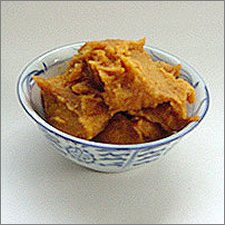
1. Miso

Miso is a fermented soybean paste. After fermenting for a number of weeks to years, depending on variety, miso comes out with a texture similar to peanut butter, and a strong, salty flavor. It is used as a condiment, a flavoring agent and to make the popular miso soup.

Health Benefits: Miso contains many trace minerals including zinc, manganese, and copper, which help to strengthen the immune system, boost energy, and protect bones and blood vessels. It is also a rich source of protein -- one tablespoon has 2 grams of protein and just 25 calories.

Studies have also found that substances in miso help reduce the risk of breast cancer. Note: Miso is high in sodium, so it may not be appropriate for those on low-sodium diets.

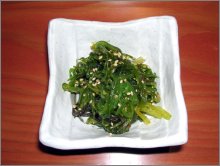
2. Seaweed

Seaweeds like kelp, wakame, arame and dulse are commonly used to make Japanese salads and are added to soups, stews and other dishes. Seaweed is also used as a wrap for sushi. Seaweed tastes similar to leafy green vegetables, with an underlying salty, sea flavor.

Health Benefits: Seaweed contains the broadest range of minerals of any food -- the same minerals found in the ocean and in human blood, such as potassium, calcium, magnesium, iron, and iodine.

Seaweed also contains vitamin C, fiber, beta-carotene, and pantothenic acid and riboflavin -- two B-vitamins needed for your body to produce energy.

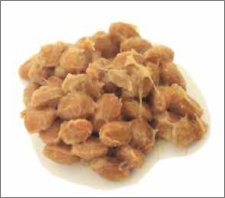
3. Natto

Natto is made from fermented soybeans and is a common breakfast food in Japan. It has a strong smell -- somewhat like a strong cheese -- and a sticky texture, and is often eaten with rice, soy sauce and chopped green onion.

Health Benefits: Natto is an excellent source of protein, vitamin B2, and vitamin k2, which is useful for preventing osteoporosis. It contains compounds including phytoestrogen, selenium and others that may help prevent cancer, and also contains a powerful beneficial enzyme called nattokinase.

Nattokinase has been found to help prevent and reduce the risk of blood clots, as well as provide heart-protective benefits. Some studies suggest that nattokinase can also reduce the risk of heart attack and stroke.

NOTE: For an excellent natto-based supplement be sure to check out CardioEssentials.

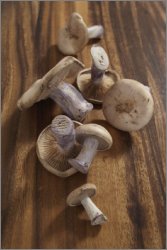
4. Mushrooms

Many mushroom varieties, including shitake and enoki, are popular in Japanese cuisine. They're used in soups, salads, and many other dishes.

Health Benefits: Mushrooms are rich in protein, fiber, vitamin C, B vitamins, calcium and minerals, but they are also renowned for their many medicinal properties. These nutritional powerhouses have been found to:

  • Protect heart health
  • Lower the risk of cancer
  • Boost immune function
  • Reduce high cholesterol
  • Fight off viruses, bacteria and fungi
  • Reduce inflammation
  • Combat allergies
  • Help balance blood sugar levels
  • Support the body's detoxification mechanisms
  • Help fight blood clots

5. Green Tea

Green tea is served at the end of traditional Japanese meals (not throughout the meal as is common in the United States). Although widely consumed in Japan for centuries, green tea is thought to have originated in China and Northern India.

Health Benefits: Green tea is a rich source of catechin polyphenols, namely epigallocatechin gallate (EGCG), which is a potent antioxidant that appears to be responsible for many of green tea's health benefits. Green tea has been found to help:

  • Cancer
  • Rheumatoid arthritis
  • High cholesterol levels
  • Heart disease
  • Infection
  • Impaired immune function
  • Obesity, overweight
  • High blood sugar levels

Note: Certain varieties of green tea (and other tea) may contain huge levels of fluoride that could be harmful. Before drinking green tea, it's important to find a source that is pure.

6. Sashimi

Sashimi is thinly sliced raw fish, savored for its simplicity and often served with wasabi and soy sauce, and sometimes a bowl of rice.

Health Benefits: Sashimi offers all of the benefits of fresh fish -- an excellent source of protein, omega-3 fats, and other nutrients like selenium, niacin and vitamin B12, phosphorous, magnesium and vitamin B6. Because sashimi is consumed raw, it is possible for it to contain parasites, but choosing "sashimi grade" fish, or dining at a reputable restaurant, should reduce these risks.

Sunday, December 6, 2009

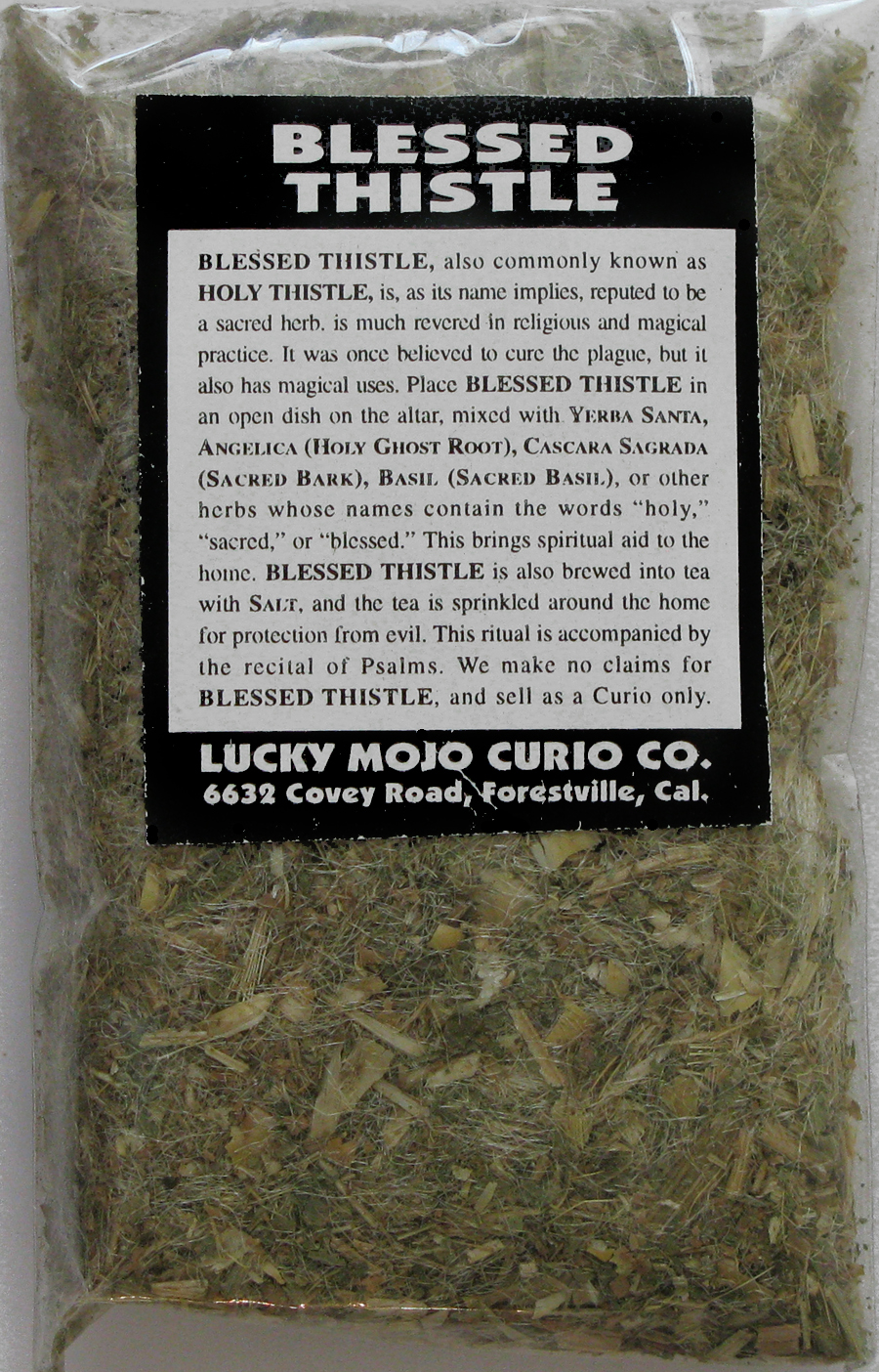
BLESSED THISTLE is>>>>

http://www.herb-magic.com/blessed-thistle-pack-large.jpg

Alternative Names:

St. Holy Ghost Herb, Bitter Thistle, Cardin, Chardon Benit, Cardo Santo, Carduus Benedictus, Cnici Benedicti Herba, Cnicus,Holy Thistle, Kardo-Benedictenkraut, St. Benedict Thistle, Salonitenolide, Carbenia Benedicta, Cnicus Benedictus, Spotted Thistle.

Herb Description

Blessed Thistle (Glandular) a low annual plant, is so named because of the ancient belief that it holded supernatural properties.

Properties
  • Appetite stimulant.
  • Astringent.
  • Blood purifier.
  • Breast milk stimulant.
  • Bile flow stimulant.
  • Diaphoretic.
  • Diuretic.
  • Menstrual flow stimulant.
  • Salivation stimulant.
  • Anti-inflammatory.
  • Antioxidant.

Uses and Benefits

Blessed thistle is used internally for treating disorders such as excess mucus ,anorexia ,poor appetite ,indigestion ,flatulence ,insufficient lactation in nursing mothers.It can be externally used to treat wounds and ulcers.

Blessed thistle is also beneficial to cure gastrointestinal symptoms,diabetes,gallbladder disease, liver disorders, inflammation, jaundice, malaria, internal cancers, gout,rheumatism, bubonic plague,colds, contraceptive, painful menstruation, rabies, skin ulcers, wound healing & yeast infections.

Traditional usage includes are acne, anorexia,cellular regeneration,detoxifying ,digestive disorders,gastrointestinal disorders ,headaches ,hormone imbalances & skin disorders.Blessed thistle has also been used to cure the vaginal discharge known as leucorrhea.

Side Effects

High doses of blessed thistle, greater than 5 gm per cup of tea,may lead to stomach irritation & vomiting.

The plant contains some part of tannins. Excess use of blessed thistle containing greater than 10% tannins may lead to liver disease, gastrointestinal upset, kidney toxicity, or enheanced risk of developing esophageal or nasal cancer.

Blessed thistle can irritate the lining of the gastrointestinal tract, When taken by mouth.

Blessed thistle is not recommended to the presons who have ulcers or inflammatory bowel conditions.

Dosage

  • Dosage :

3-4 capsules. 3 times daily.

  • Tincture :

10-20 drops (2 ml). 3 times daily.

  • Infusion:

A dose of 1.5 - 2 gm of blessed thistle in 150 ml of water.(orally) 3 times daily.

  • Tea:

Drip 1.5-3 gm of dried blessed thistle in boiling water for 10- 15 minitus.3 times daily.

Drug Interactions

Blessed thistle is thought to stimulate stomach acid secretion, and may mitigate the efficacious of drugs such as zantac , cimetidine , famotidine & nizatidine .