Showing posts with label herbs. Show all posts

Wednesday, December 28, 2011

△△△How To Get Rid of a the "common" Cold with Natural Herbs△△△

First- Cold is what you feel when you do not have enough heat molecules. Therefore I can legally say that there is no such thing as "cold".

Four different categories of herbs are utilised to help combat the common cold.

Herbs that stimulate the immune system to fight the infection are used during and possibly to prevent colds. Echinacea and Asian ginseng are two examples in this category.

Second, herbs that promote a mild fever, hence sweating (known as diaphoretics) may be useful. Because a fever is a sign of the immune system working, it may be that diaphoretics are also immune stimulators like the first category. Elder, boneset and yarrow are three examples.

The third category includes herbs that may directly kill the viruses that cause colds, based on test tube studies. Goldenseal, myrrh and usnea are examples.

Finally, some herbs are used just to alleviate symptoms such as sore throats. These herbs tend to be high in mucilage and are soothing and anti-inflammatory or have tannins that are astringent. Marshmallow and red raspberry are two examples. Symptom-relieving herbs may have other active constituents and mechanisms of actions. As you can see in the following list, many herbs fit in more than one category, such as goldenseal (immune stimulating and antiviral).

Immune-stimulating:
Asian ginseng, astragalus, boneset, echinacea, eleuthero, goldenseal, hyssop, linden, schisandra, wild indigo.

Diaphoretic:
Boneset, elder flower, hyssop, linden, yarrow.

Symptom-relieving Astringent (soothe sore throat):

Blackberry, blueberry, red raspberry.

Mucilage (soothe sore throat):
Marshmallow, mullein.

Reduce nasal stuffiness:
Eucalyptus, peppermint.

Relieve aches and pains:
Meadowsweet.

Miscellaneous sore throat relief:
Sage, yarrow.

Friday, July 9, 2010

foods that give you Wings (and a story about redbull)


A few weeks ago, I picked up my friends en route to a cook out. One of them does promotional work for a popular 'extreme' energy drink that was sponsoring a block party earlier in the day. He offered me one and divulged that he had at least EIGHT super sized cans of the stuff in the last 24 hours. 0_0. Then, with disgust, he explained that the most popular energy drinks on the market all contain taurine, an almost amino acid (it lacks a carboxyl group, exempting it from being a true amino acid) produced by the body through the synthesis of two amino acids, methionine and cysteine. And that its a main component of bile acid. And is derived from bull intestines. With regret, I immediately remembered the free redbulls I chugged a few weeks prior at a dj battle they sponsored. yuck.
In the days following our conversation, I read up on taurine and learned that while it was infact first derived from the testicular and lower intestinal fluids of oxen and bull almost 200 years ago as a metabolizer, it is no longer used in most commercial energy drinks sold in the US -small sigh of relief. Cheaper, chemically synthesized versions are used in Redbull, Mtn Dew AMP and many of the other brands you may be familiar with. But as we know,'cheaper' & 'synthetic' are two terms to be weary of in food. I found several articles listing adverse health affects of taurine supplementation including depression and rapid muscle deformation. Others claimed that vegans maintain significantly lower levels of taurine than meat eaters, which makes sense because it is only found in trace amounts in a limited variety of plant life including seaweed & fungi. Our bodies-veg or not- produce taurine naturally as an acid component in bile; an intestinal fluid essential to the food digestion process. So, taurine being marketed as an energy booster is, at best, an indirect truth. Our bodies derive energy from the foods we consume. When your digestive system is working at full capacity, your energy is on trill. Skip the bull (looks in mirror and takes own advice) and reach for these upful digestive aides/energy boosters straight from erf!

Pineapple: Contains the enzyme Bromelain which breaks down proteins. When I have it in house, I eat a few pieces after every meal.
Papaya: Contains Papain which also breaks down proteins. I found some little papaya enzyme tablets in a health food store a few months ago for a dollar. great when you're on the go.
Mango: Fiber galore. Have some and feel your belly go to work.
Ginger: Stimulates blood flow to your digestive organs. Is there anything good that ginger doesn't do?
Kombucha Tea: Fermented & full of lactobacillus bacterium which aid in digestion. I Love Synergy Raw Organic Kombucha http://www.synergydrinks.com/ ! Some Whole Foods brew kombucha in-house and you can bring your own containers and take it home by the ounce/gallon.
Turmeric: Aids in the protection of the liver, which is a major center of digestion and detoxification in the body.
Ginseng: Stamina enhancer, overall energy booster.
Fennel Seed: Extremely savory in flavor. Chew a few seeds after a meal to aid in digestion.
Maitake Mushroom: Stimulates the immune system and fights chronic fatigue. They're delicious.
Bee/Flower Pollen: Sidestepping the vegan/vegetarian argument, pollen contains all 22 amino acids (wow), along with vitamins, minerals and enzymes. known as a 'superfood'


happy eating/living

Thursday, March 18, 2010

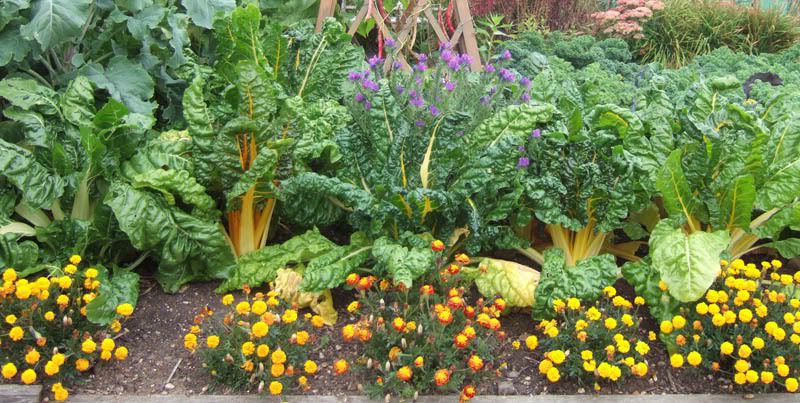
Friends or Foes? Companion Planting

http://i170.photobucket.com/albums/u254/magiccochin/0807rytonveg.jpg

Before you plant, it's helpful to figure out which plants get along well with each other.

>> What are the benefits of Companion Planting?

The idea behind companion planting involves planting different kinds of plants together so that they benefit and help each other grow.

The main benefits of garden companion planting are:

1. A natural method of pest control, and
2. A higher produce yield in your survival garden.


>> More about Companion Planting

Many plants have natural substances in their roots, flowers, leaves etc. that can alternately repel (anti-feedants) and/or attract insects depending on your needs. In some situations they can also help enhance the growth rate and flavor of other varieties. Experience shows us that using companion planting through out the landscape is an important part of integrated pest management.

Monday, December 7, 2009

Moon Magic::4 Herbs for your medicine bag::Ladies::


The moon makes us mothers so we must honor her with what we give her...Our moon or monthly cycle in its necessity, can be one of discomfort, for some. The reality is true, "we haven't got time for the pain" but numbing ourselves out with allopathic over the counter painkillers, isn't a solution either. We are all guilty of popping an Aleve, Tylenol, or Advil at one point or another. The residue that remains in the system, as a result is not worth it, in truth. In healing with nature, you have to believe in it, the energy that we give it, will be the one it produces in our bodies. In working with herbs, we have to trust their healing, kind of like we trust that the Advil will work in 2hours. I offer you some alternatives by the way of herbs that produce the same, if not better results. And they are just better for you. I am so thankful to know the power and magic of Valerian, Dong Quai, White Willow, and Cramp Bark. All truly powerful and naturally occurring, and we all appreciate that..Bless and Feel Good....

Valerian

Valerian is native to Europe, South Africa, and parts of Asia and was introduced to North America. It relieves insomnia, stress-related anxiety, stomach and menstrual cramps, and migraines. It acts as a sedative and can have a tranquilizing effect, so its best to take it when you have truly created space to relax. I can remember taking Valerian in a tea and minutes later feeling very warm and comforted. It puts you out, you will definitely fall asleep, but you will wake up relieved and calm. Its truly a memorable herb, with its magic comes a deeply rooted smell. Its hard to explain what it resembles, you just never forget it. Don't let that discourage you though, its a powerhouse and very necessary. Valerian is available in tea, tincture and pill form, you'll be off of Tylenol in no time. Its not suitable for ones that are pregnant or breastfeeding.

White Willow

The use of white willow bark dates back thousands of years, to the time of Hippocrates (400 BC) when patients were advised to chew on the bark to reduce fever, menstrual cramps, and inflammation. It has been used throughout the centuries in China and Europe, and continues to be used today for the treatment of pain (particularly lower back pain and osteoarthritis), headaches, bursitis, tendinitis, etc. White willow contains salicin, which is a naturally occurring component, similar to aspirin. Several other components of willow bark: antioxidant, fever reducer, antiseptic, and immune booster. Ones pregnant or breastfeeding should not take white willow and also if you are allergic to aspirin. Available in tincture, dried, and powdered herb form.

Dong Quai

Dong Quai, also called Tang Kuei or The Supreme Women's Root, is a native of China. Its a member of the carrot family..Its root is brown and fleshy and has a flavor similar to celery. It is a favorite in Chinese female tonic recipes. It boosts Chi energy and strengthens the body's vital force. This herb has a whole range of health-enriching properties. The nutritional and healing constituents of Dong Quai include: vitamins A, B3, B12, B-complex, C, E, Calcium, Iron, zinc, sodium, magnesium, phosphorus, and selenium. It relieves, bloating, menstrual and stomach cramps, PMS, menopause, it stimulates the production of red blood cells, and its an all around heart tonic, amongst others. It also enhances bone marrow properties, which helps increase defense against osteoporosis. Dong Quai should be avoided by ones with Diabetes.


Cramp Bark

Cramp Bark is a deciduous tree or shrub that is native to Europe and the eastern U.S....It is a member of the Caprifoliaceae family. Other names for cramp bark are: king's crown, high cranberry, may rose, gaiter berries, guelder rose, amongst others. It is antispasmodic (relieves muscle spasms), anti-inflammatory, nervine (calms and soothes the nerves), hypotensive (lowers blood pressure), astringent, and helpful in treating excessive blood loss during our cycle, if that is your experience. It is used to treat endometriosis and threatened miscarriage. Cramp Bark is high in vitamin c.

Please make these an addition to your medicine bag, in that, I mean a little herbal kit that you carry around in your bag or purse containing a combination of healing ointments, salves, oils, balms, tonics, herbs, and powders that are to assist in your healing or someone else's. I try to keep certain things in my bag at all times, you never know if you"ll run into a situation where someone may need that strength. Good ones to incorporate: golden seal, tea tree or oregano oil, raspberry leaf, or valerian, calendula or arnica. In becoming our own healers we have to spread the magic and teach others to do the same... Bless..peace.....


Tuesday, November 17, 2009

Healing Waters


Most are familiar with taking herbs in their leaf, powder, and pill forms, but did you know that you can steep herbs and spices to make healing tonics? In Ayurvedic medicine it’s done all of the time. This method ensures ultimate potency of the herb and quick transportation directly into the body's systems. Try these recipes soon, and experience the healing effects. You can drink these just as you would regular water (even put them into your reusable bottle and carry with you to sip throughout the day). *I first saw these a while back in Yoga Journal (my favorite mag) so look there for more if you have a subscription.

Dried Ginger Water - *Good for relief from nausea.

Grind 1 teaspoon of dried ginger
Add it to 2 quarts of water and bring to a boil
Boil for 3 minutes
Strain and serve warm or at room temperature.

Cumin Water - *Aids digestion and flushes toxins from the system. (Cumin is just generally amazing. Please get familiar if you're not already).

Dry roast ½ teaspoon of cumin seeds in a heated pot until their color darkens slightly (about 10 seconds).
Add 1 quart of water and bring to a boil
Boil about 3 minutes.

Strain and serve warm or at room temperature.

Cinnamon Water – **Good for lowering cholesterol and stabilizing blood sugar levels. (I’m allergic to cinnamon, so I can’t say that I’ve had this, but I’m told that it's tasty).

Crunch a whole cinnamon stick with a rolling pin
Add the broken chips to 1 quart of water and simmer for 10 minutes
Strain
Serve warm or at room temperature.

Tulsi Water - *Tulsi is considered a spiritual herb, used to balance the body’s whole system. It’s especially good for decongesting the lungs, so try this if you're feeling stuffy. (You can grow tulsi yourself or get its sister plant, Thai basil, from an Asian market if you have a hard time finding it).

Drop a sprig of tulsi (“holy basil”) into a glass of room temperature water
Place in the sun for an hour
Drink!

Choose wellness.